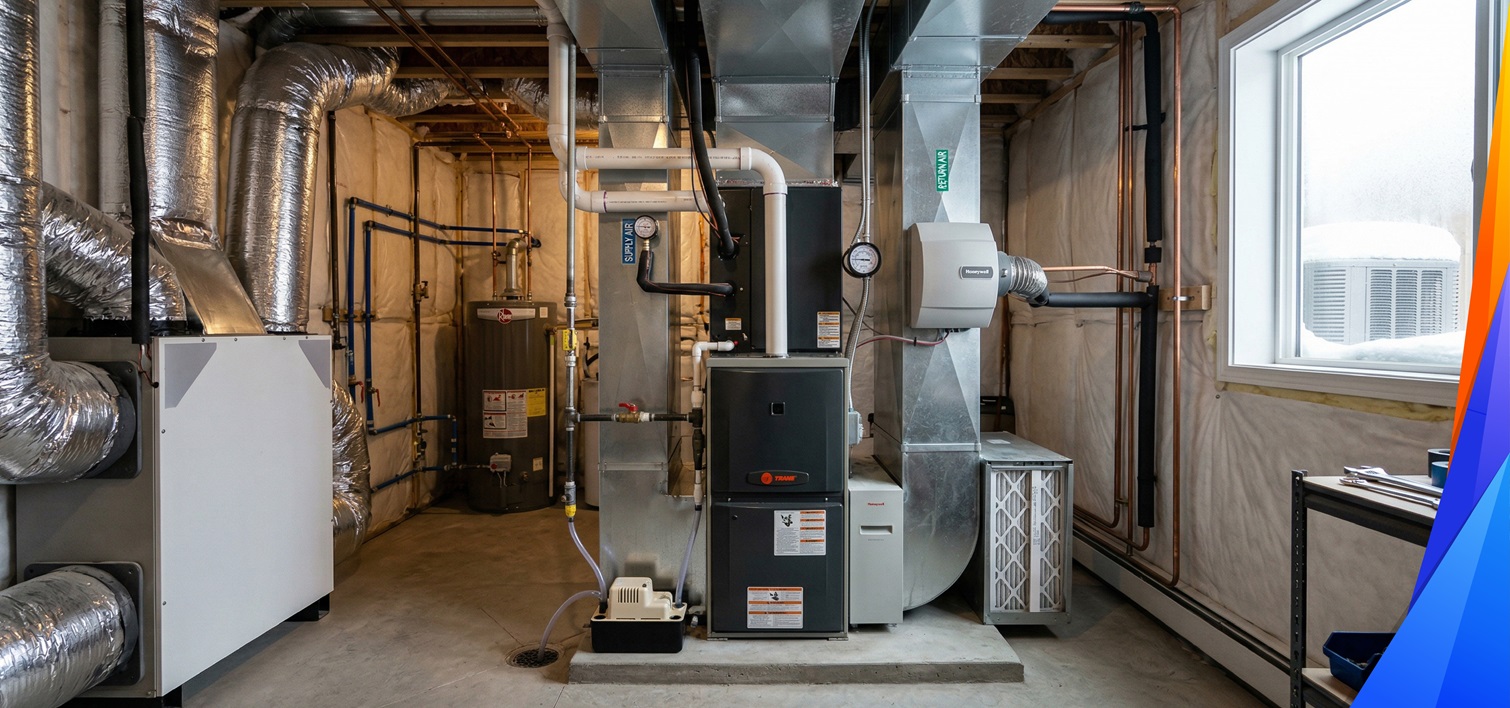
HVAC stands for heating, ventilation, and air conditioning system, the essential setup that keeps your home comfortable year-round. It manages the thermoregulation process, controls temperature through a heat transfer mechanism, and supports indoor air quality regulation. Modern residential HVAC systems also work as a humidity control system, helping maintain healthy indoor conditions. From furnaces to central heating and cooling systems, everything operates through a mechanical ventilation process. If you’re learning HVAC basics for homeowners, think of it as your complete home climate control system designed for comfort, efficiency, and reliable performance in Canadian weather.
How Does an HVAC System Work in a Home?
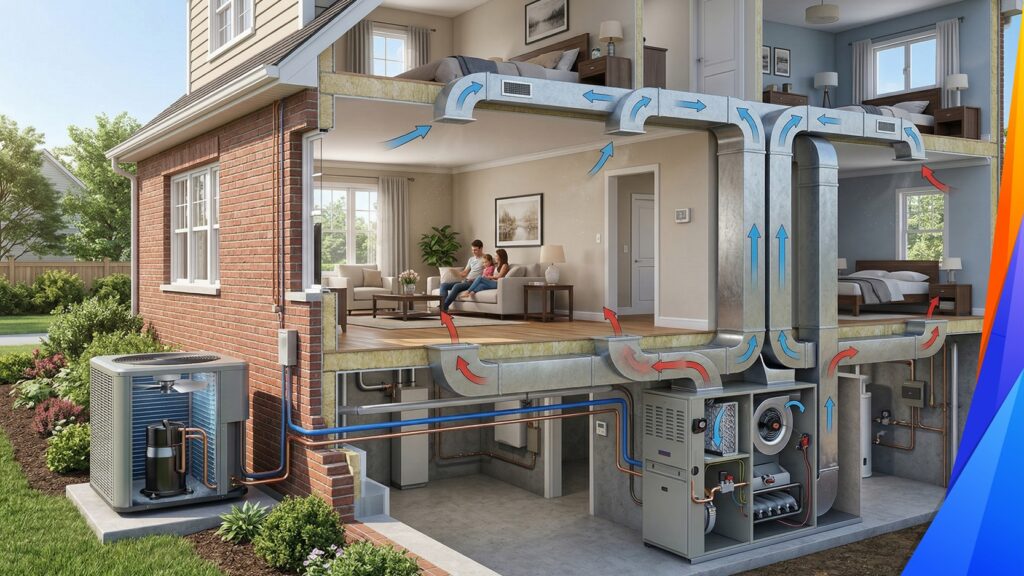
Ever wondered how does HVAC work in everyday life? A thermostat controlled HVAC system responds to your settings, triggering a smooth heating and cooling system process. It uses a heat exchange mechanism and refrigerant cycle process to warm or cool air, while an air filtration system improves indoor comfort. The HVAC airflow process then moves air through a home air circulation system using duct airflow distribution. With precise thermostat temperature regulation, HVAC operation in homes stays efficient and consistent. Overall, the HVAC system operates as a finely tuned balancing act, constantly adjusting to create an inviting and healthy indoor environment regardless of the weather outside.
What Are the Components That Make Up an HVAC System?
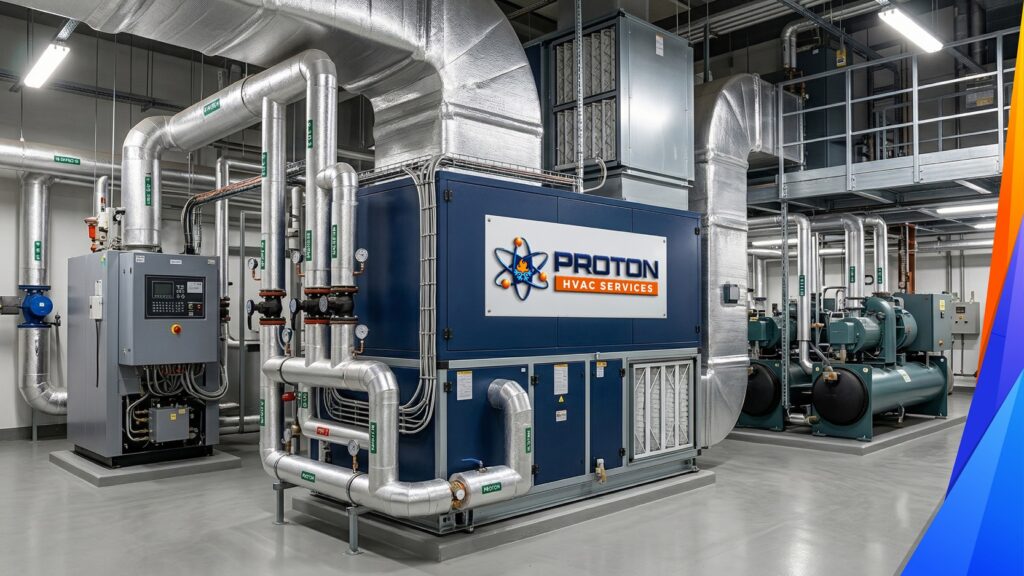
Understanding the HVAC system components list helps homeowners make smarter comfort decisions. Every central HVAC component works together as part of your heating and cooling system components to keep your home cosy and comfortable through every season.
1. Air conditioner
Your air conditioner removes heat and humidity from indoor air, using the refrigerant compression cycle to keep your home cool and comfortable all summer long.
2. Heat pump
A heat pump is one of the most versatile parts of an HVAC system, efficiently handling both heating and cooling making it a smart, energy-saving choice for homeowners who want year-round comfort without the extra cost.
3. Furnace
The furnace is the heart of your heat exchanger mechanism, burning fuel to generate reliable warmth and pushing heated air throughout your home during those long, bitterly cold Canadian winters.
4. Air handler
The air handler works quietly behind the scenes, circulating conditioned air smoothly and supporting proper duct airflow distribution across every room keeping temperatures balanced and consistent throughout your entire home.
5. Ductwork
Ductwork is the hidden network of channels that delivers heated or cooled air everywhere it needs to go, an absolutely critical part of your home HVAC system elements that often goes unnoticed until something goes wrong.
6. Humidifier/dehumidifier
Canada’s dry climate makes these components especially important. They balance indoor moisture levels year-round, protecting your home and improving everyday comfort as a key part of your heating and cooling system components.
7. Whole-house air cleaners
Whole-house air cleaners including HEPA filters and advanced air purifiers power your air filtration process, capturing dust, allergens, and harmful pollutants before they circulate through your living spaces, keeping your family breathing cleaner, healthier air every day.
8. Whole-house ventilation
Whole-house ventilation systems, like HRV (Heat Recovery Ventilation) units, continuously replace stale indoor air with fresh outdoor air improving overall air quality and supporting your home HVAC system elements in running efficiently all year round.
9. Thermostat
Your smart thermostat is the brain behind thermostat temperature regulation, reading indoor conditions and automatically signalling your system to heat or cool your home precisely putting complete comfort control right at your fingertips.
10. Boilers
Boilers heat water and distribute it through radiators or radiant systems, offering consistent and reliable warmth, a well-established choice among central HVAC components that many Canadian homeowners still rely on today.
11. Geothermal heat pump
A geothermal heat pump taps into stable underground temperatures to deliver eco-friendly, energy-efficient heating and cooling, one of the most innovative HVAC unit parts explained for environmentally conscious homeowners.
11. Radiant heating
Radiant heating warms your floors, walls, or ceilings directly from beneath the surface, delivering consistent and even comfort throughout your home, a wonderfully efficient addition to any central HVAC component setup.
What Are the Different Types of HVAC Systems?
When exploring the types of residential HVAC systems, homeowners often choose from central HVAC systems, ductless mini split HVAC, hybrid HVAC systems, and heat pump HVAC systems all considered modern home HVAC solutions. These systems use technologies like heat pump technology, forced air distribution, and even the geothermal heating process, depending on your needs. A central air conditioning unit is common in many homes, while a ductless mini split system offers flexible installation.
| HVAC System Type | Overview | Suitable For |
| Split System | A go-to choice using forced air distribution and a central air conditioning unit for reliable, everyday home comfort. | Most residential homes |
| Dual Fuel Heat Pump System | Combines heat pump technology with a furnace, switching based on temperature for improved efficiency and performance | Cold climates & energy savings |
| Ductless Mini-Split System | A ductless mini split HVAC option that provides flexible, room-by-room control without requiring ductwork | Homes without ducts or additions |
| Packaged System | An all-in-one unit offering compact and efficient performance, ideal for modern home HVAC solutions in smaller spaces | Smaller homes & limited space |
Benefits of a Modern HVAC System for Home Comfort
Upgrading to energy efficient HVAC systems is one of the smartest decisions a Canadian homeowner can make. Here’s why a Modern HVAC System is essential for better Home Comfort:
- Modern systems deliver improved indoor air quality HVAC through advanced air filtration technology and indoor air purification process that removes allergens and pollutants effortlessly
- The humidity regulation system keeps moisture balanced year-round
- Smart thermostat control gives you precise comfort at your fingertips
- Better HVAC energy savings
- Quieter operation ensures a peaceful and noise-free home environment with minimal disturbance
- Consistent temperatures that’s the real home comfort HVAC systems difference
Why HVAC Systems Matter for Homes in Cold Climates Like Canada
HVAC systems for cold climates are essential for maintaining comfort and safety. Strong winter HVAC performance supports cold climate thermoregulation, while systems ensure indoor humidity balance and efficient heat retention mechanism. Reliable home heating and cooling solutions improve climate control in cold regions, enhance thermal insulation efficiency, and support the frost prevention process especially with energy efficient heating Calgary homes.
When Should You Call for HVAC Repair or Replacement?
Knowing the signs HVAC system needs repair can save you from bigger headaches down the road. Watch for airflow restriction conditions, unusual noises, refrigerant leakage issues, or a thermostat failure mechanism that leaves rooms unevenly heated. A compressor malfunction often signals it’s time to consider replacement. Skyrocketing energy bills and frequent breakdowns are clear HVAC performance issues, don’t ignore them, call for professional HVAC services right away.
FAQs
What is the difference between HVAC and AC?
HVAC vs AC: HVAC system components cover heating, ventilation, and air conditioning handling temperature regulation, humidity control, and indoor air quality. An air conditioner only cools. HVAC and AC functionality simply isn’t the same thing.
How does an HVAC system work to cool a house?
Your HVAC cooling system works through a refrigerant cycle absorbing indoor heat via the evaporation process, transferring it outside through condensation, and delivering cool air back through thermoregulation and heat transfer for consistent comfort.
What is the most expensive part of an HVAC unit?
The HVAC compressor cost makes it the priciest component. It drives the refrigerant compression cycle, and any electrical control board malfunction or heat exchange system failure adds significantly to HVAC repair expenses and system efficiency degradation.
What is the most common issue with HVAC?
The most frequent common HVAC problem is airflow obstruction from dirty filters. Refrigerant leakage, thermostat malfunction, compressor cycling problems, and air filtration blockage are also typical heating cooling system issues homeowners regularly face.