
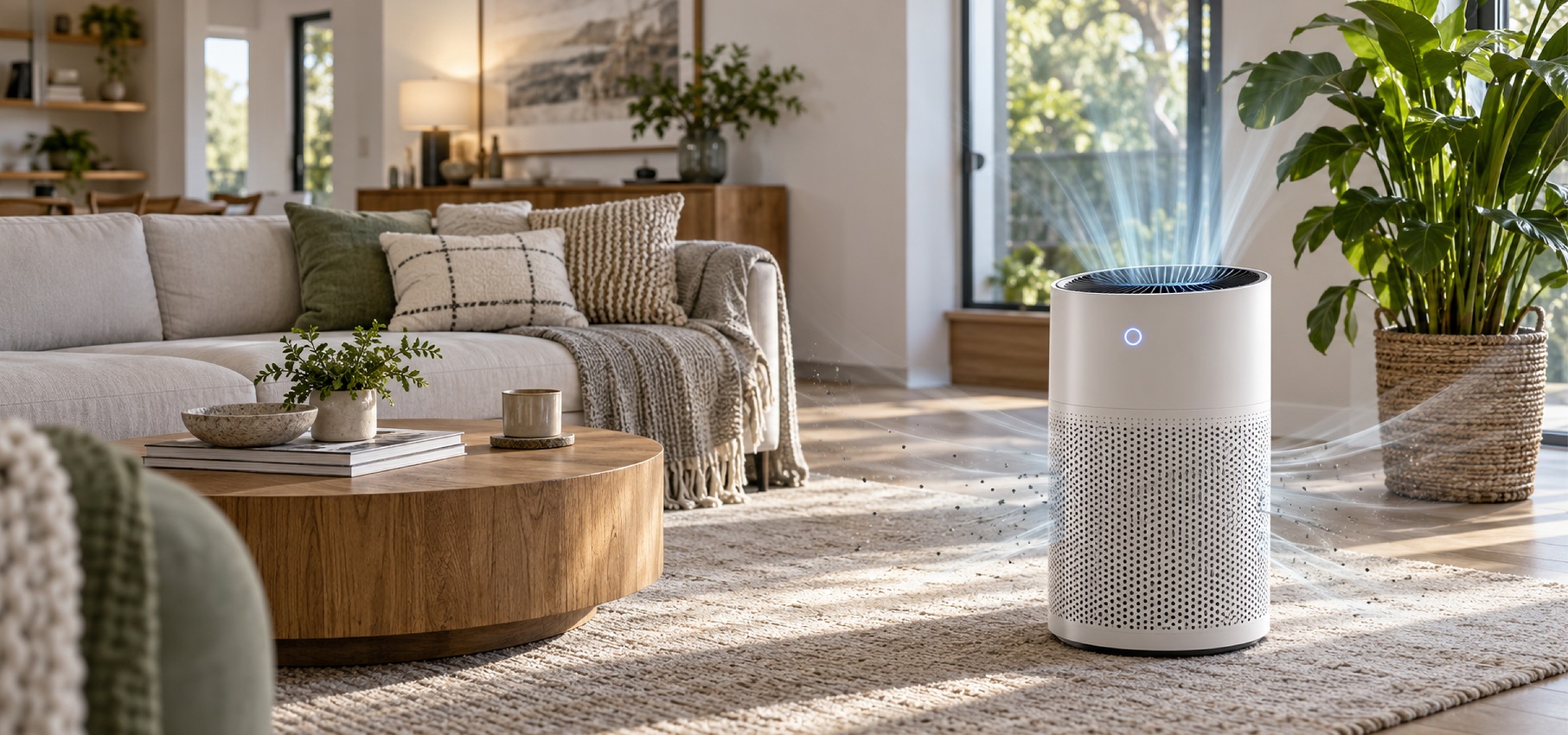
An air purifier cleans indoor air by capturing or reducing airborne pollutants such as dust, pollen, pet dander and fine particles. Depending on the technology used, some systems can also help reduce odours, gases and certain microorganisms. Air purifiers can be especially useful in Canadian homes where windows may stay closed for long periods during cold winters or hot summer weather. However, an air purifier is not a replacement for proper ventilation, filtration or HVAC maintenance. Its effectiveness depends on factors such as room size, filter type, airflow and usage. So, are air purifiers worth it? Understanding how they work and what they can actually remove will help you decide whether one is right for your home.
What Can an Air Purifier Remove—and What Can’t It Remove?
An air cleaning system typically removes airborne particles like dust, pollen, pet dander, and some particulate matter, improving overall indoor air quality through effective particulate removal. However, most air purifiers have limited ability to eliminate certain gases, VOCs, or heavy odours without specialized filtration. They also can’t fix underlying moisture, ventilation, or air-exchange issues. Air purifiers work best as a complement to proper indoor air purification and HVAC maintenance, not as a standalone solution.
How Does an Air Purifier Work?
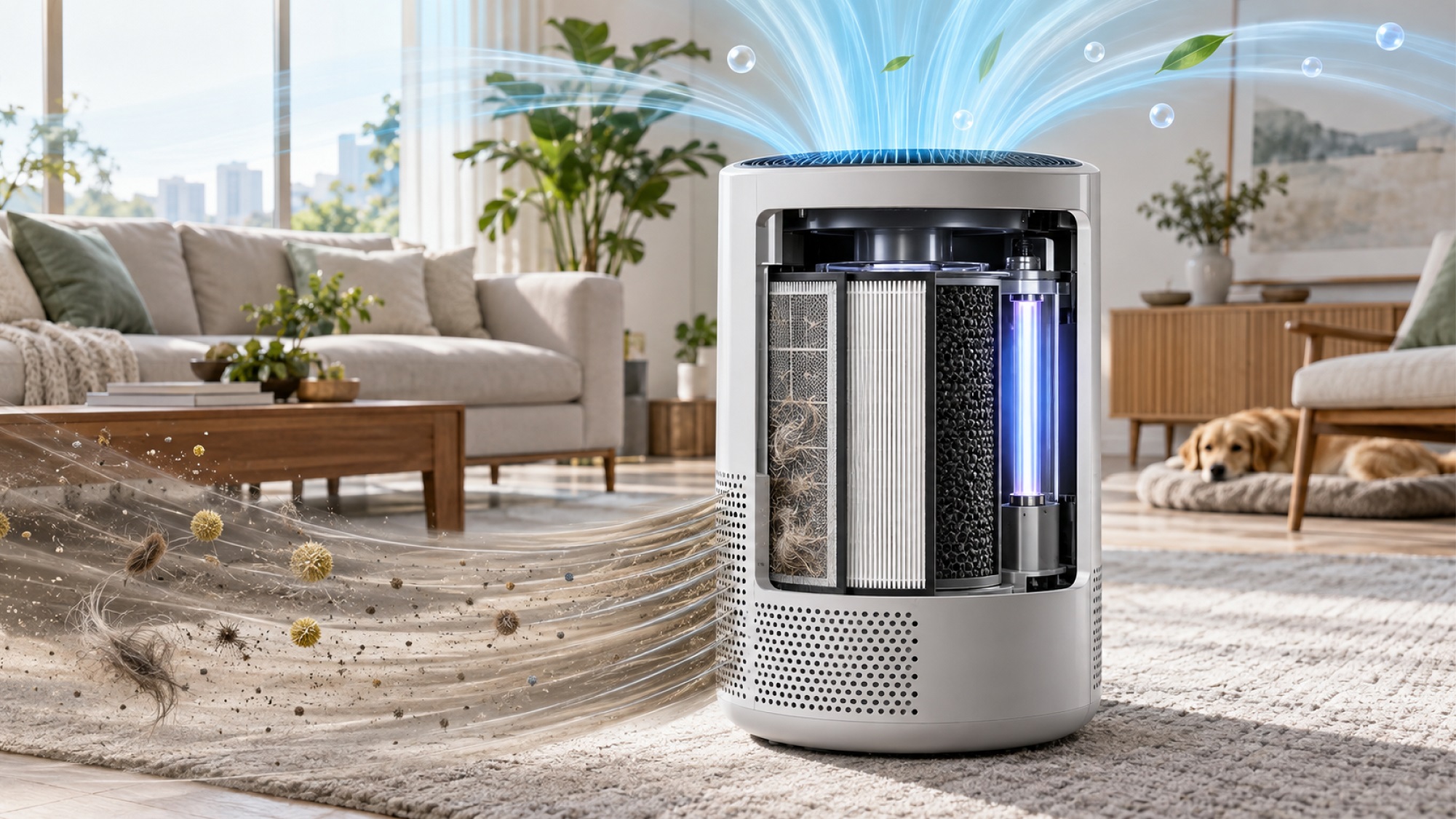
So, do air purifiers work? In short, yes — by pulling air through a series of filtration stages that capture particles, treat gases and release cleaner air back into the room. Understanding this airflow process helps explain why the technology is effective for improving indoor air quality. The purification process typically follows these steps:
- ✅ Air Intake – Polluted indoor air enters the purifier through its intake vents.
- ✅ Pre-Filtration – Larger particles, such as dust and pet hair, are captured by the initial filter stage, where applicable.
- ✅ Fine Particle Filtration – HEPA or other filter media capture smaller airborne particles that pre-filters miss.
- ✅ Gas and Odour Treatment – Activated carbon can help remove certain gases, odours and volatile organic compounds (VOCs).
- ✅ Additional Purification – Technologies such as UV-C or ionization may provide additional treatment, depending on the purifier model.
- ✅ Clean Air Release – Treated air is released back into the room.
- ✅ Continuous Air Circulation – The process repeats continuously as the purifier draws in and treats more indoor air.
This filtration process, supported by proper air circulation, contributes to a purifier’s overall clean air delivery rate — a key measure of how effectively it improves indoor air quality over time.
How Air Filtration Captures Airborne Particles
Mechanical filtration works by forcing air through dense filter media, physically trapping fine particles as they pass through. A HEPA filter’s particle capture efficiency depends on filter density and airflow rate denser media generally traps smaller particles but may need stronger airflow to maintain circulation.
How Activated Carbon Helps With Odours and Gases
Activated carbon targets what mechanical filtration can’t: gaseous pollutants and volatile organic compounds. Through adsorption, gas molecules bind to the carbon’s porous surface, helping reduce certain odours and VOCs. This doesn’t replace proper ventilation, and homes managing broader temperature or air-quality needs may also benefit from air conditioning services to support overall indoor comfort.
What Are the Benefits of Using an Air Purifier?
If you’ve ever noticed dust settling faster than usual or allergy symptoms flaring up indoors, an air purifier may help address some of the underlying causes.
- ✅ Cleaner indoor air through continuous particulate filtration
- ✅ Reduced household dust settling on surfaces
- ✅ Lower airborne allergen levels during high-pollen seasons
- ✅ Better respiratory comfort in rooms with limited natural airflow
- ✅ A useful complement to existing HVAC filtration and air circulation
It’s worth noting that air purifiers support general indoor air quality — they aren’t a medical treatment and shouldn’t be relied on to manage a diagnosed health condition.
An air purifier’s real-world performance depends on filtration efficiency, airflow rate, and how well the unit is matched to room size. A unit rated for a small bedroom will struggle to keep up in an open-concept living space, so checking the clean air delivery rate against actual square footage matters more than filter type alone.
Air Purifiers and Dust Control
Household dust is made up of fine particulate matter that settles quickly in low-airflow rooms. Continuous particle filtration helps pull airborne dust out of circulation before it resettles, though results depend on how often the unit runs and how well it’s sized to the space.
Air Purifiers and Seasonal Allergens
Canadian pollen season — particularly spring tree pollen and late-summer ragweed in regions like Southern Ontario and the Prairies — can significantly affect indoor air quality even with windows closed. Allergen filtration through fine-particle media can help reduce airborne allergen levels indoors during these peak periods.
Canadian homeowner example: A Calgary homeowner running their furnace through a long heating season may notice increased indoor dust and dry-air discomfort. Regular furnace maintenance and filter replacement can help support indoor air quality, while a portable air purifier can help reduce some airborne particles. Health Canada recommends maintaining HVAC systems and replacing or cleaning filters according to the manufacturer’s instructions, while Natural Resources Canada notes that dry indoor air during the heating season can contribute to discomfort.
Are Air Purifiers Worth It for Canadian Homes?
Whether an air purifier earns its keep really comes down to what’s driving the air quality concern in the first place.
A home air purifier tends to offer the most value where airborne dust, seasonal pollen, or pet dander are recurring concerns particularly during Canada’s long closed-window winters or peak pollen months. Homes with pets often see noticeable improvement in day-to-day air quality, as continuous filtration helps manage dander between deep cleans.
Situation vs. potential value:
| Situation | Potential Value |
| Airborne dust | High |
| Seasonal pollen | High |
| Pet dander | High |
| Odours | Depends on filtration technology |
| Wildfire smoke particles | High with appropriate particle filtration |
| Poor ventilation | Limited as a standalone solution |
Portable vs. whole-home approaches
| Approach | Coverage | Best Suited For |
| Portable air purifier | Single room | Targeting a specific space, like a bedroom or home office |
| Whole-home air purification | Entire building, via the HVAC system | Larger homes or households managing allergies across multiple rooms |
Where an air purifier offers limited standalone value is poor ventilation. No amount of filtration substitutes for proper fresh-air exchange, and source control like reducing dust sources, managing humidity, or fixing ventilation gaps remains just as important to indoor air quality Canada-wide as filtration itself. An air purifier works best as one part of a broader approach, not a fix for underlying ventilation issues.
Air Purifier Costs in Canada: Is the Investment Worth It?
Air purifier cost Canada-wide isn’t a single fixed number — it depends on system type, capacity, filtration technology, and whether installation is required.
Equipment cost varies significantly between a basic portable unit and a higher-capacity system with advanced filtration. Air purifier installation costs also differ depending on the approach: a portable unit needs no installation, while integrating purification into an existing HVAC system involves professional labour and ductwork considerations. On top of the upfront cost, ongoing filter replacement cost and electricity use for operating hours both factor into the total cost of ownership over time.
Cost factors to consider:
| Cost Factor | What to Consider |
| Equipment | Purifier capacity and filtration technology |
| Installation | Portable unit vs. integrated HVAC system |
| Filters | Replacement frequency and filter type |
| Electricity | Operating hours and power consumption |
| Maintenance | Cleaning and periodic servicing |
Because these variables shift from home to home, it’s best to request a site-specific quotation in CAD $ rather than rely on a generic average — actual pricing depends on the unit selected and how it’s integrated into the home. Exploring the full range of Indoor Air Quality Solutions can also help homeowners compare purification against other options before deciding where to invest.
When Is an Air Purifier Most Useful in Canada?
What an air purifier does best shifts depending on the season and region — Canada’s varied climate creates several distinct scenarios where indoor air quality management matters most:
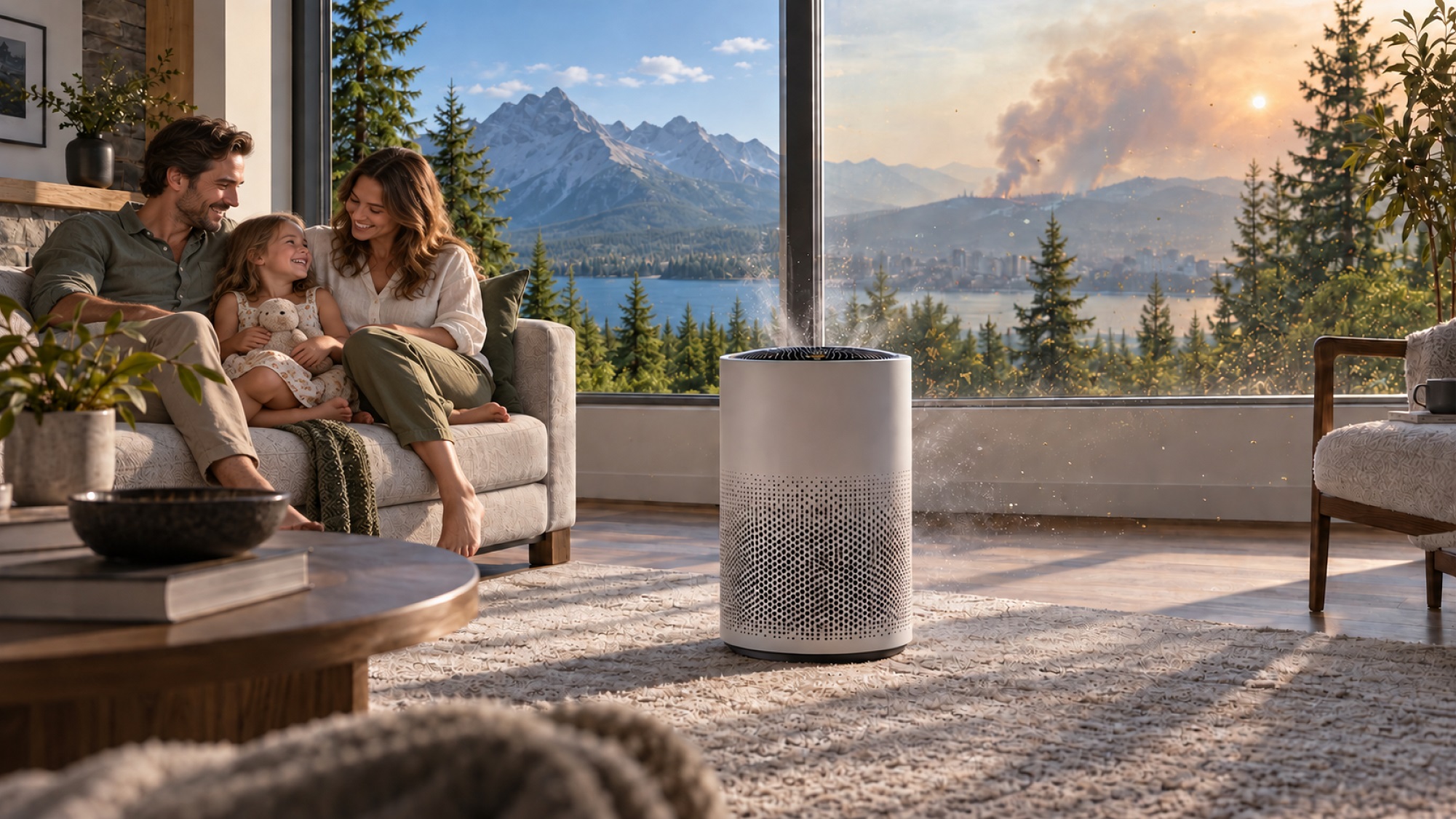
- ✅ Calgary and Alberta – Cold winters keep windows sealed for extended periods, while periods of wildfire smoke can push outdoor particulate matter indoors, making filtration especially relevant during both seasons.
- ✅ Toronto and Ontario – Seasonal pollen combined with dense urban conditions can elevate indoor particulate levels, particularly in homes near high-traffic areas.
- ✅ Vancouver and British Columbia – Shifting seasonal outdoor-air-quality conditions, including regional wildfire smoke events, can affect indoor air even with modern building ventilation.
- ✅ Quebec – Prolonged heating seasons keep homes closed up for months at a time, affecting both indoor comfort and ventilation needs in similar ways to Alberta’s winters.
Across regions, closed-window periods reduce air exchange and raise indoor particulates — air purifiers help, alongside proper ventilation and HVAC maintenance.
FAQ
Q1. How often should you run an air purifier?
For best results, most air purifiers should run continuously to maintain steady air circulation and filtration efficiency. Filter replacement should follow manufacturer intervals, as clogged filter media reduces performance and limits how effectively the unit supports ongoing indoor air quality.
Q2. Where should an air purifier be placed in a home?
Air purifier placement affects performance — position units centrally or near pollutant sources for better room air circulation. Avoid corners or blocked airflow paths, as poor airflow distribution relative to room volume can reduce particulate removal and overall effectiveness.
Q3. Does an air purifier help with wildfire smoke?
Many air purifiers with appropriate air filtration can reduce fine particulate matter associated with wildfire smoke, improving indoor air quality during smoke events. However, effectiveness depends on filter type, room sealing, and how well the unit handles fine particle removal.
Q4. What is the difference between an air purifier and an HVAC air filter?
An air purifier is a standalone air cleaning system for a single space, while an HVAC filter cleans air moving through ductwork for whole-home filtration. Both use filter media, but they serve different scopes of coverage.
Q5. Can an air purifier replace HVAC filtration or ventilation?
No — an air purifier isn’t the same as an HVAC filter or ventilation system. It recirculates and filters indoor air but doesn’t provide fresh air exchange, outdoor air intake, or manage building airflow the way whole-home air filtration or ventilation does.
Conclusion
An air cleaning system removes airborne particles like dust, pollen, pet dander, and particulate matter, improving indoor air quality. However, it can’t fully eliminate certain gases, VOCs, or odours, and won’t fix ventilation issues. Its value depends on your home’s needs and existing HVAC system Calgary HVAC services can help you pair it effectively.
Get a free quote, book a consultation, or speak with our Proton HVAC experts today about an appropriate indoor-air-quality solution for your home.